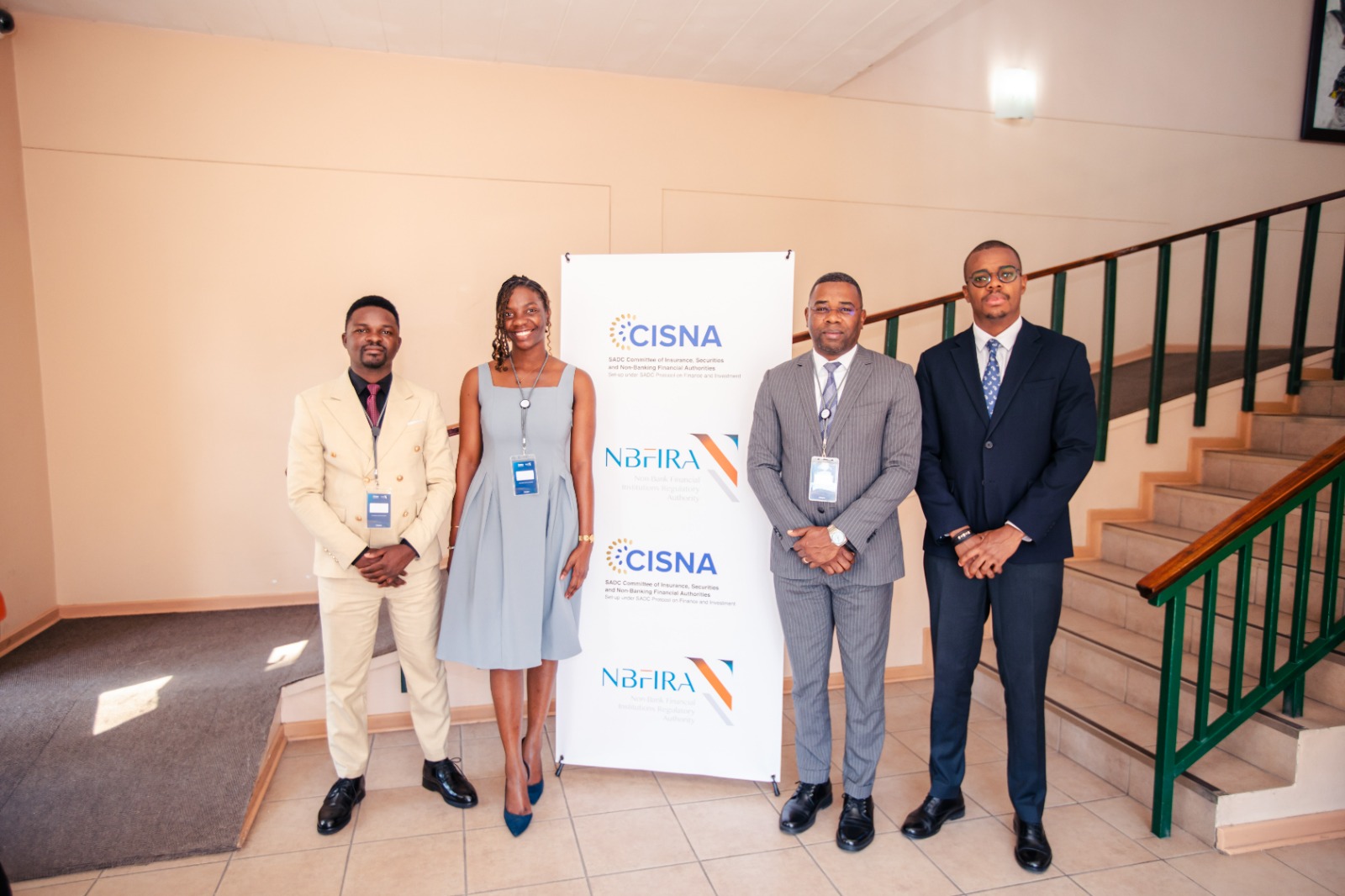
The CISNA General and Bi-Annual Meetings Official Opening Ceremony
- October 8, 2025
- Posted by: NBFIRA Media
- Category: News and Events
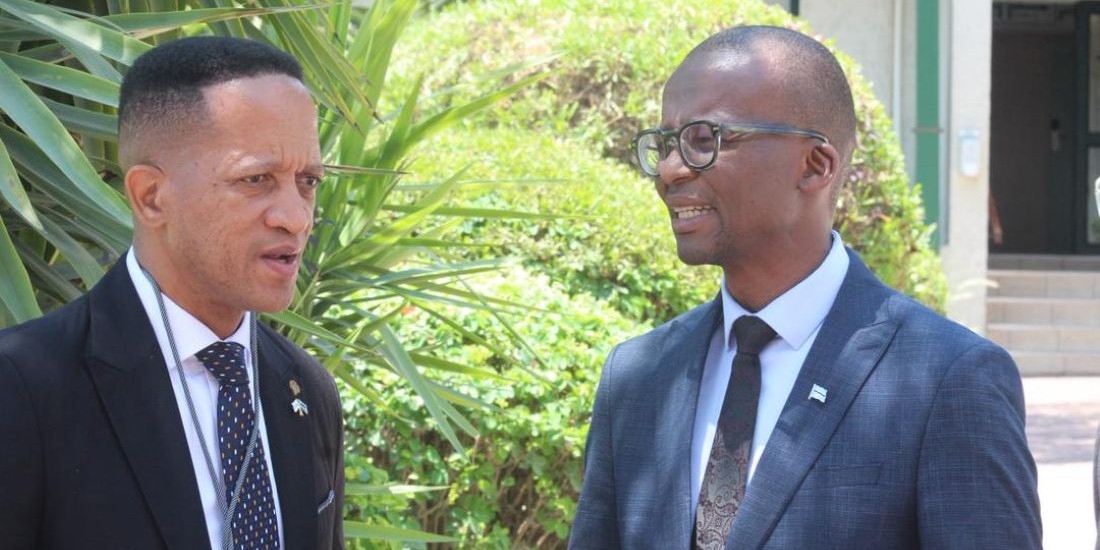
The purpose of the Committee of Insurance, Securities and Non-Banking Financial Authorities (CISNA) Annual Meeting is to provide a platform for member authorities from across the Southern African Development Community (SADC) to convene, deliberate, and collaborate on matters related to the regulation and supervision of the non-banking financial sector.
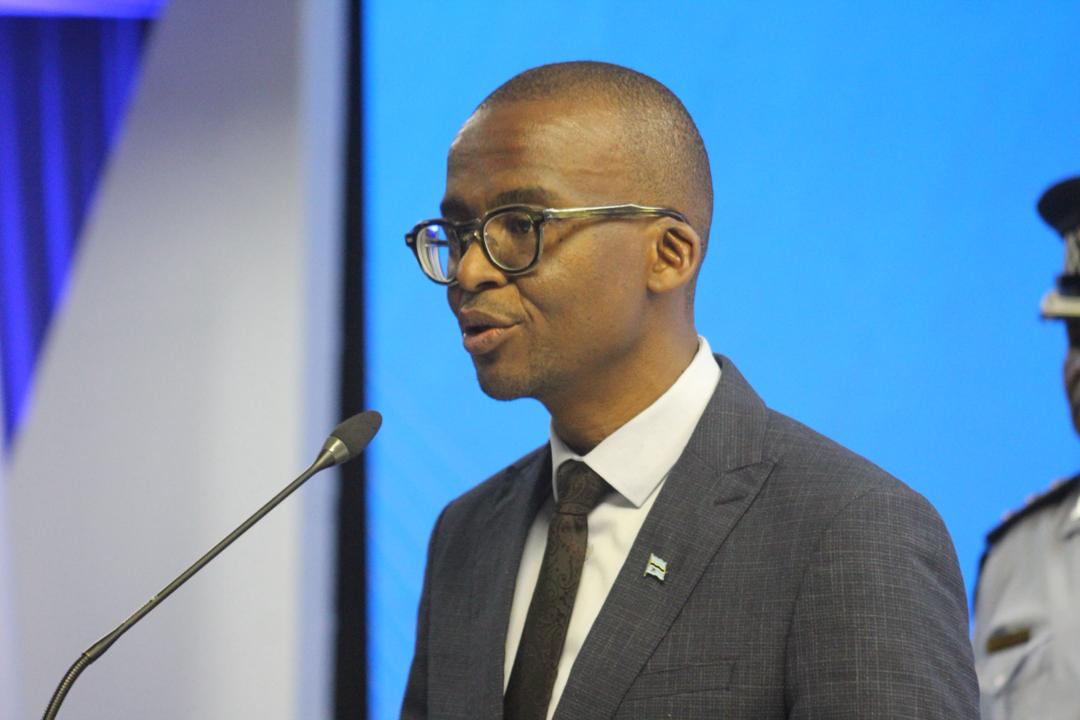
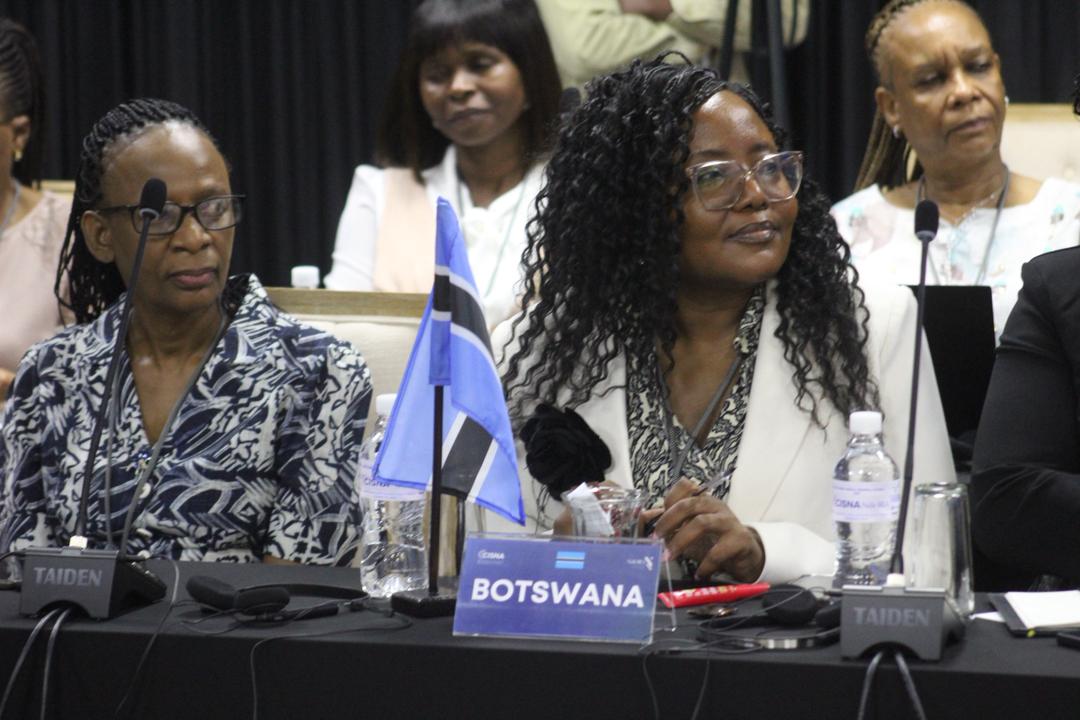
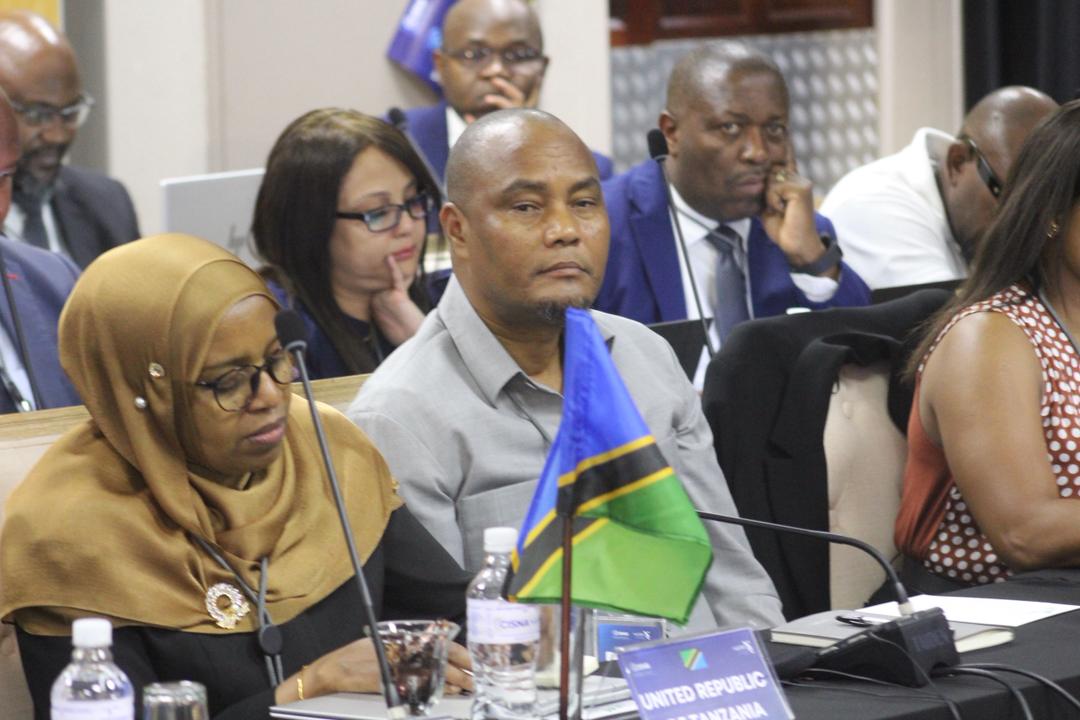
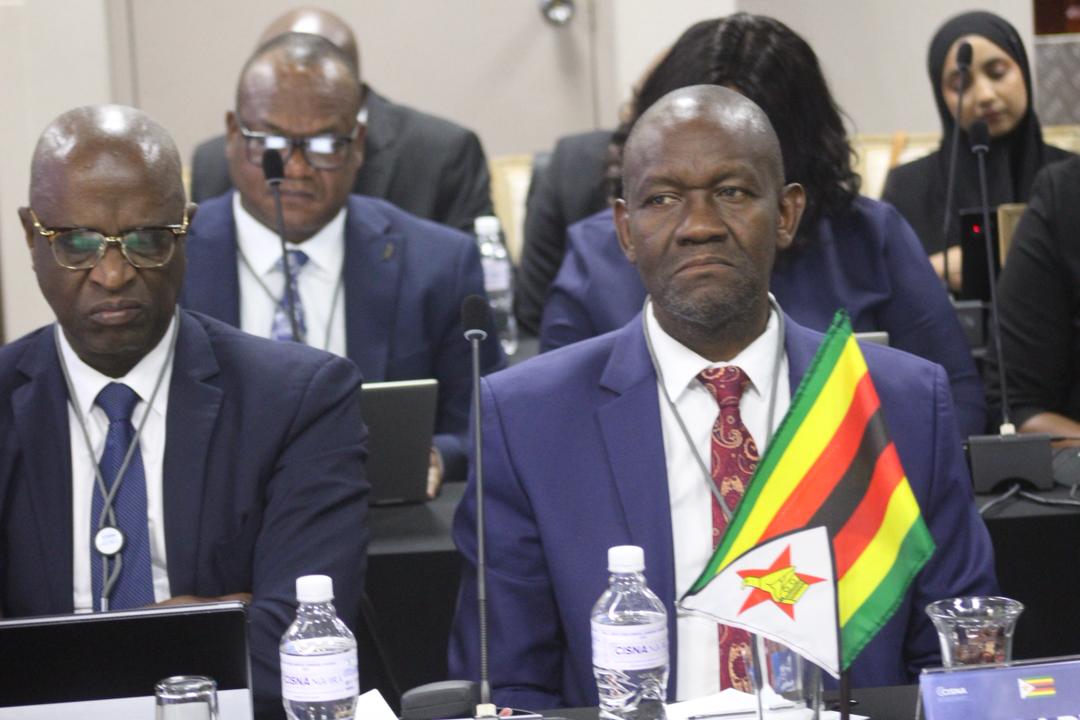
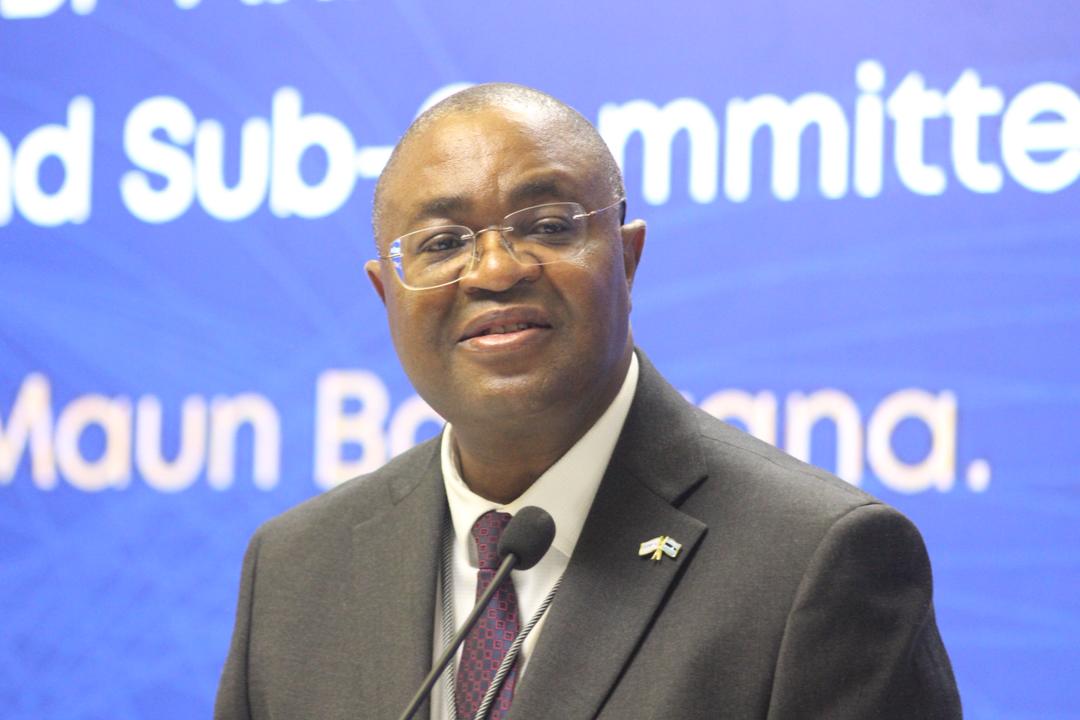
As the 48th CISNA Annual Meetings take place in Maun, Botswana, a graceful opening ceremony was held, graced by the presence of the Vice President of the Republic of Botswana and Minister of Finance, Mr. Ndaba Nkosinathi Gaolathe. The ceremony officially marked the commencement of the proceedings aimed at promoting the harmonisation of regulatory frameworks, strengthening cross-border cooperation, and enhancing the stability, integrity, and growth of financial markets within the SADC region.
The Chairperson of the Committee of Insurance, Securities and Non-Banking Financial Authorities (CISNA) Mr Kenneth Simataa Matomola expressed deep appreciation for the presence and commitment of all 26 Member Authorities at the 48th CISNA Bi-Annual Meetings, hosted in Maun, Botswana. In acknowledging the gracious hospitality of the hosts and the presence of His Excellency, the Vice President and Minister of Finance of Botswana, the Chairperson reflected on the enduring legacy of SADC’s founding leaders. The meeting, guided by the CISNA Strategic Plan 2022–2026, focused on strengthening regional cooperation through harmonization of legal and regulatory frameworks, capacity building, and market development. These discussions highlighted the region’s commitment to embracing financial innovation while carefully managing risks to consumers and investors through enhanced collaboration and coordination among Member Authorities.
The Chairperson also commended the progress made in regional cooperation, particularly through the approval of model laws and joint initiatives with the SADC AML/CFT Sub-Committee and ESAAMLG to strengthen the fight against money laundering and terrorist financing. Appreciating the Government of Botswana and NBFIRA for their exceptional hosting, the Mr. Matamola emphasized the importance of forward-looking themes for future meetings that address real regional needs. He noted that the rising life expectancy in the SADC region presents both opportunities and challenges, calling for pragmatic approaches to financial inclusion, retirement funds, and non-bank financial services. In closing, he urged members to remain action-oriented and proactive, reminding all that “tomorrow belongs to those who prepare for it today.”
It was both an honour and a privilege for Honourable Ndaba Nkosinathi Gaolathe, Vice President and Minister of Finance, to open the 48th CISNA General Council Meeting in Maun, “the place of reeds.” Drawing inspiration from the resilience and harmony of Maun and the Okavango Delta, he likened their balance and beauty to the financial systems that must remain strong yet adaptive amid economic change. He commended CISNA for its enduring contribution to harmonising non-bank financial regulation across SADC and highlighted the growing importance of NBFIs in driving inclusive growth and innovation across Africa. He noted how Botswana’s Economic Transformation Programme (BETP) aligns with CISNA’s mission, positioning the non-banking sector as a cornerstone of diversification and sustainable development. The Vice President underscored the urgency of reforming outdated regulatory frameworks, encouraging innovation, and ensuring women, youth, and small enterprises actively participate in the financial ecosystem.
Honourable Gaolathe emphasised that Botswana seeks to transition from diamond dependence to a diversified, technology-enabled, and inclusive economy. He celebrated NBFIRA’s achievements, citing the growth of the NBFI sector from P35 billion in assets in 2013 to P185 billion in 2024, and praised its role in regional integration and regulatory excellence. He urged CISNA members to harness the untapped potential in sectors such as reinsurance, which presents vast opportunities for job creation, technology transfer, and SME growth. The Vice President also called for greater support for indigenous financial systems like metshelo, recognising their community-based innovation and role in financial inclusion. He concluded with a heartfelt reflection on the Okavango Delta a symbol of balance, resilience, and natural beauty urging delegates to experience its wonder and carry forward its lessons of harmony and stewardship into their work for regional prosperity and sustainability.
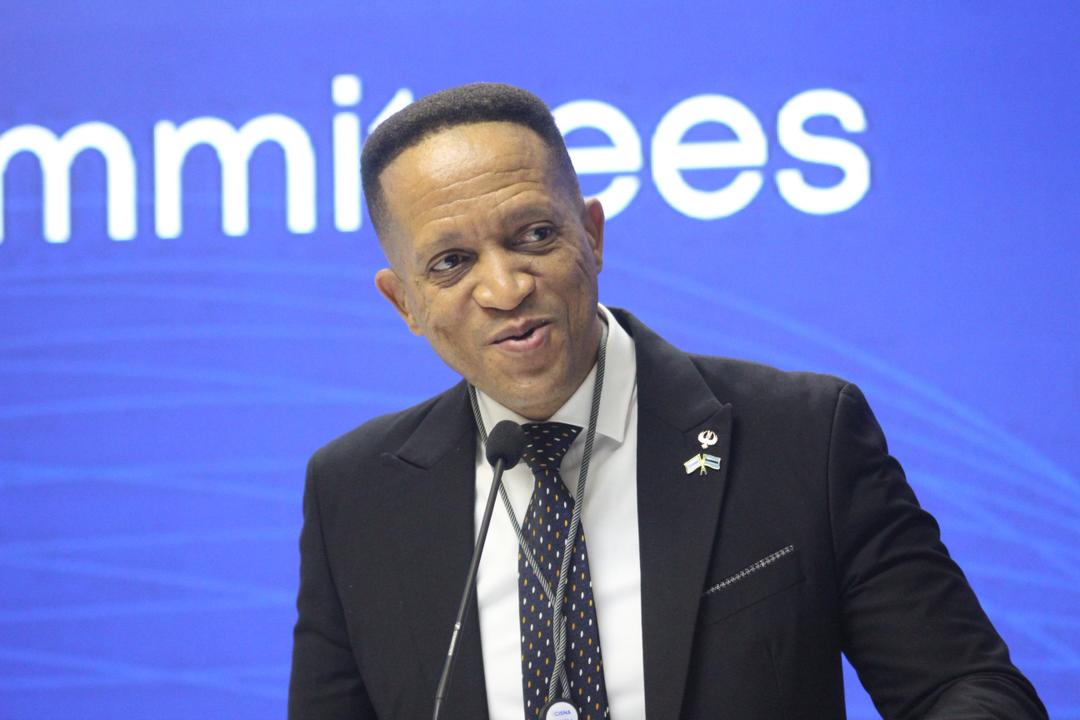
In his deliberations, the Non-Bank Financial Institutions Regulatory Authority (“NBFIRA”) Board Chairperson Mr. Thabo Gaadingwe, welcomed all and acknowledged the presence of His Honour, the Vice President of the Republic of Botswana and Minister of Finance, Mr. Ndaba N. Gaolatlhe, whose participation greatly honours this gathering. “Today marks another momentous occasion for NBFIRA and Botswana as we once again host this important 15-member state event, following our previous hosting in 2017. On behalf of the NBFIRA Board and Management, I extend our deepest appreciation for your presence and partnership. This meeting is not just a routine event it is a reaffirmation of our shared commitment to building resilient, inclusive, and transparent financial systems across the SADC region”, Mr. Gaadingwe said. He further highlighted the continued global financial landscape evolvement through digital assets, decentralized finance, and innovation, that all are called to respond with agility and collaboration. “Together, we must harmonize our standards and ensure that citizens across the region remain both protected and empowered participants in this new financial era,” said Mr. Gaadingwe.
“As CISNA continues to serve as a pillar of regional cooperation through its capacity-building initiatives, technical committees, and policy dialogues, at NBFIRA, we are proud to contribute to this legacy of continuous improvement and have demonstrated our commitment through achievements such as the ISO 9001:2015 Quality Management System certification. Yet, excellence remains a journey one we continue through investments in technology-driven supervisory tools that enhance data analytics, risk profiling, and regulatory foresight”, Mr. Gaadingwe said.
In closing, he emphasized the need to remain vigilant in safeguarding financial integrity through collaboration with partners such as ESAAMLG, the Financial Intelligence Agency, and the Botswana Police Service to combat illicit activities. He reminded participants that NBFIRA ultimately works to serve people being the pensioner, the entrepreneur, and the family. He reaffirmed that consumer protection and financial literacy are central to NBFIRA’s mission and encouraged CISNA members to uphold transparency, fairness, and inclusion. He concluded by thanking the CISNA Secretariat, regulators, and stakeholders, expressing confidence that the meeting would strengthen collaboration and drive regional progress.
It was a distinct honour and privilege for the Vice Chairperson of the CISNA Dr. Grace Muradzikwa to deliver the closing remarks at the opening session and expressed profound gratitude to His Excellency for gracing the occasion and for his powerful message reaffirming Botswana’s steadfast commitment to regional cooperation, financial sector development, and inclusive growth. His Excellency’s presence and personal engagement with delegates were described as inspiring and humbling, embodying the values of true leadership. Appreciation was also extended to the CISNA Chairperson and other dignitaries for their leadership and vision, which continue to drive the spirit of unity and collaboration across the SADC region. The Vice Chairperson noted that the financial landscape is undergoing rapid transformation, with complex, cross-border risks such as climate change, cyber threats, and geopolitical tensions demanding more robust regional cooperation and harmonised regulatory approaches.
The Vice Chairperson further emphasised that effective supervision in today’s dynamic environment requires innovation and the adoption of modern tools. In particular, leveraging Artificial Intelligence (AI) and Supervisory Technologies (SupTech) was identified as essential to addressing emerging risks in insurance and pensions. AI offers transformative potential in enhancing risk detection, improving data analysis, and strengthening regional regulatory harmonisation. As SADC advances its harmonisation agenda, shared AI-driven platforms will be vital in ensuring consistent risk assessments and timely supervisory interventions across jurisdictions. Concluding the remarks Dr. Muradzikwa called on all delegates to move forward with renewed purpose, boldness, and unity, guided by the conviction that “unity is strength when there is teamwork and collaboration, wonderful things can be achieved”.